Injury Prevention Yoga: Yoga Poses to Prevent Running Injuries

Running is a beautiful rhythm of motion, a dance between body and earth. Yet, with every stride, the risk of injury quietly lingers. We seek balance, strength, and resilience to keep moving forward. Yoga offers a gentle, powerful way to protect our bodies, to nurture the muscles and joints that carry us mile after mile. Today, I want to share with you some essential yoga poses that serve as a shield against common running injuries. Together, we will explore how mindful movement and breath can create harmony in our bodies, preventing pain and enhancing performance.
The Role of Injury Prevention Yoga in Running
Injury prevention yoga is not just about stretching; it is a holistic practice that strengthens, aligns, and restores. When we run, certain muscles tighten while others weaken, creating imbalances that lead to injury. Yoga helps correct these imbalances by targeting key areas such as the hips, hamstrings, calves, and lower back.
By incorporating injury prevention yoga into your routine, you build flexibility and stability. This reduces the risk of strains, sprains, and overuse injuries. The practice also improves proprioception - your body’s awareness in space - which enhances coordination and balance during runs.
Here are some benefits of injury prevention yoga for runners:
Improved muscle elasticity to reduce tightness
Enhanced joint mobility for smoother movement
Strengthened core and stabilizers to support posture
Increased mental focus to prevent overexertion
Better recovery through relaxation and breath control
Integrating these poses into your weekly schedule can transform your running experience. It’s a collaboration between your breath, body, and mind, working in unison to keep you strong and injury-free.

Essential Injury Prevention Yoga Poses for Runners
Let’s dive into specific poses that target the most vulnerable areas for runners. Each pose is chosen for its ability to stretch, strengthen, and stabilize. Remember to move slowly and breathe deeply, honoring your body’s limits.
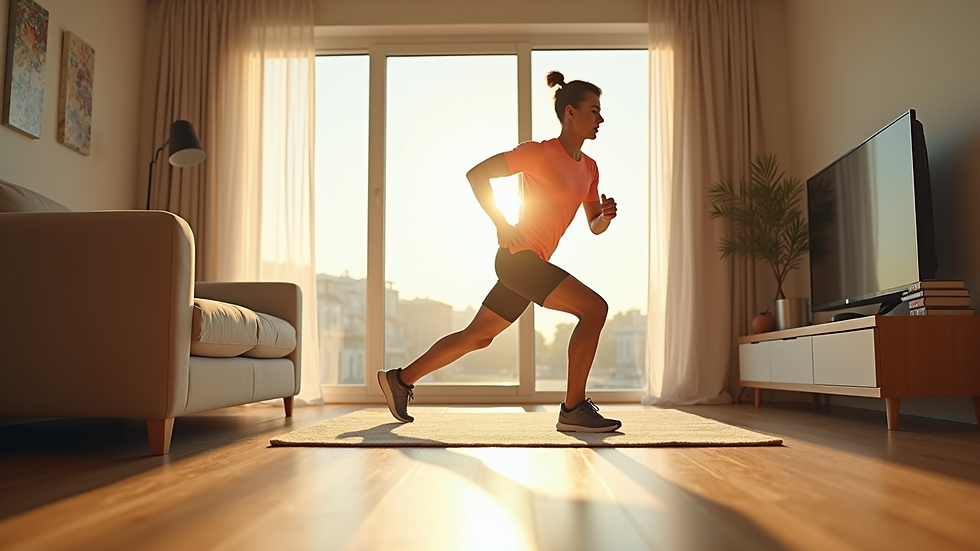
1. Low Lunge (Anjaneyasana)
This pose opens the hip flexors, which often become tight from repetitive running. Tight hip flexors can lead to lower back pain and knee issues.
Step one foot forward into a lunge, keeping the back knee on the ground.
Sink your hips gently forward and down.
Lift your chest and reach your arms overhead.
Hold for 30 seconds, then switch sides.
2. Downward Facing Dog (Adho Mukha Svanasana)
A classic pose that stretches the calves, hamstrings, and spine. It also strengthens the shoulders and arms.
Start on hands and knees, then lift hips toward the ceiling.
Keep your heels reaching toward the floor.
Lengthen your spine and relax your neck.
Hold for 1 minute, pedaling your feet to stretch calves.
3. Reclining Hand-to-Big-Toe Pose (Supta Padangusthasana)
This pose targets hamstring flexibility, crucial for preventing strains.
Lie on your back and extend one leg up.
Hold your big toe with your hand or use a strap.
Keep the other leg bent or straight on the floor.
Hold for 1 minute, then switch legs.
4. Bridge Pose (Setu Bandhasana)
Strengthens the glutes and lower back, supporting the pelvis and reducing knee stress.
Lie on your back with knees bent and feet hip-width apart.
Press into your feet and lift your hips.
Clasp your hands under your back or keep arms by your sides.
Hold for 30 seconds to 1 minute.
5. Pigeon Pose (Eka Pada Rajakapotasana)
Deeply opens the hips and relieves tension in the gluteal muscles.
From downward dog, bring one knee forward and place it behind your wrist.
Extend the other leg straight back.
Square your hips and fold forward if comfortable.
Hold for 1-2 minutes, then switch sides.
These poses, practiced regularly, create a foundation of strength and flexibility that guards against injury. They invite you to listen to your body’s whispers before they become shouts.

Is Yoga Good for High Cholesterol?
While this post focuses on injury prevention yoga for runners, it’s worth noting that yoga offers benefits beyond musculoskeletal health. Yoga can positively influence cardiovascular health, including managing high cholesterol levels.
Regular yoga practice helps reduce stress, which is a known contributor to heart disease. It also encourages physical activity and mindful eating habits. Certain poses stimulate the lymphatic system and improve circulation, aiding in the reduction of LDL (bad cholesterol) and increasing HDL (good cholesterol).
Though yoga should not replace medical treatment, it can be a valuable complementary approach. Incorporating gentle flows and breathwork supports overall heart health, making it a holistic practice for body and mind wellness.
How to Integrate Yoga into Your Running Routine
Consistency is key. To truly benefit from injury prevention yoga, aim to practice at least 2-3 times per week. Here’s a simple plan to get started:
Warm-up with gentle stretches before your run to prepare muscles.
Post-run yoga session focusing on deep stretches and relaxation.
Dedicated yoga days for strength-building and balance work.
Try to create a quiet, inviting space where you can focus without distractions. Use props like blocks or straps if needed to support your practice. Remember, yoga is not about perfection but about connection and care.
If you want to explore more, check out this resource on yoga for runners injury prevention for detailed sequences and tips.
Embracing a Holistic Approach to Running Health
Injury prevention yoga is a gift we give ourselves - a moment to pause, breathe, and realign. It complements running by addressing the imbalances and stresses that come with pounding the pavement. Together, yoga and running form a partnership that nurtures endurance, strength, and joy.
As you weave these poses into your routine, notice how your body responds. Feel the subtle shifts in tension and ease. Celebrate the small victories - a deeper stretch, a steadier balance, a pain-free stride.
This journey is not solitary. We move forward as a community, sharing knowledge and encouragement. Let’s continue to explore, learn, and grow, honoring the sacred dance of movement and stillness.
May your runs be strong, your body resilient, and your spirit uplifted.
Namaste.

Comments